Updated March 3, 2026. This post may contain affiliate links, which means I may receive commissions if you choose to purchase through links I provide (at no extra cost to you). Thank you for supporting the work I put into this site!
Hormonal imbalances can be caused by a range of different factors—some of which are within your control, and some of which are not.
For instance, it’s not possible to fully control your hormones during puberty, pregnancy, and the stages of menopause. But if your hormones are off-balance due to factors like too much stress or lack of exercise, modifying these behaviors can go a long way toward reducing your symptoms.
Thankfully, there are things you can try on your own to mitigate the effects of hormone imbalances and start feeling better. Practicing the following behaviors has helped me for a few decades now—I no longer experience PMS symptoms. But, everyone is different!
1. Eat Healthy Whole Foods
Many processed foods are loaded with additives, preservatives, and sugar—all of which are linked to insulin resistance, weight gain, and hormone changes. A diet high in these foods can certainly contribute to hormonal imbalances over time.
The best way to resolve hormone problems related to diet is to simply change your diet. Eat a higher percentage of healthy, whole foods to get your hormones back on track—no processed foods. This involves eating more fruits, vegetables, fish, whole grains, nuts, etc.
Your healthcare provider can also run tests to find out whether certain nutritional deficiencies are causing your hormone changes.
2. Get More Sleep
Lack of sleep disrupts and causes a shift in hormones—including your hunger hormones, leptin and ghrelin. These two hormones are responsible for regulating your appetite.
Sleep deprivation typically causes physical and mental stress, which encourages the body to release higher amounts of cortisol in response. This is mainly what throws off all your other hormones.
Over time, as you start sleeping better, your body will naturally heal itself and regulate your hormones more efficiently. Make sleep a priority, and go to bed earlier at night. Also, make changes to your bedroom so you can sleep more comfortably, whether it involves turning up the A/C or hanging blackout curtains that block out noise and light.
3. Exercise Regularly
Exercise naturally reduces stress, improves your sleep habits, and regulates insulin—all of which support a healthy hormonal balance. Fitness experts suggest limiting your workout sessions to no more than 45 minutes to avoid elevating your body’s cortisol (stress) levels.
Start moving more in an effort to support your hormones. If you don’t typically exercise, it’s okay—just start out slow, going for walks in your neighborhood or at your favorite park. You can always change your routine on the fly as you become more conditioned to exercise.
4. Limit Your Caffeine Intake
Evidence suggests that consuming too much caffeine increases the risk for hormone-related diseases including hyperthyroidism, PCOS, and breast cancer. That’s a major bummer, because I love my espresso.
If you can, try to drink less coffee and soda, or make a conscious effort to lower your overall caffeine intake in general. Swap out coffee for lower-caffeine alternatives, such as green and black tea. I go to Asian markets to find this exact brand of roasted green tea—Yamamotoyama Hojicha Green Tea—because I feel like I’m in a restaurant when I drink it.
It’s hard to go without caffeine, but if you make these little changes and end up drinking less, it just may help!
5. Get Better At Managing Stress and Anxiety
A short bout of extreme stress has the power to send your hormones into shock and cause major imbalances. Sometimes, a super stressful event can even make you miss your period for a few months. That’s happened to me, and the culprit was indeed stress.
Stress management is a tough one, because controlling it is always easier said than done. But you really do have to find ways to manage stress if you want to live a long, healthy, and happy life.
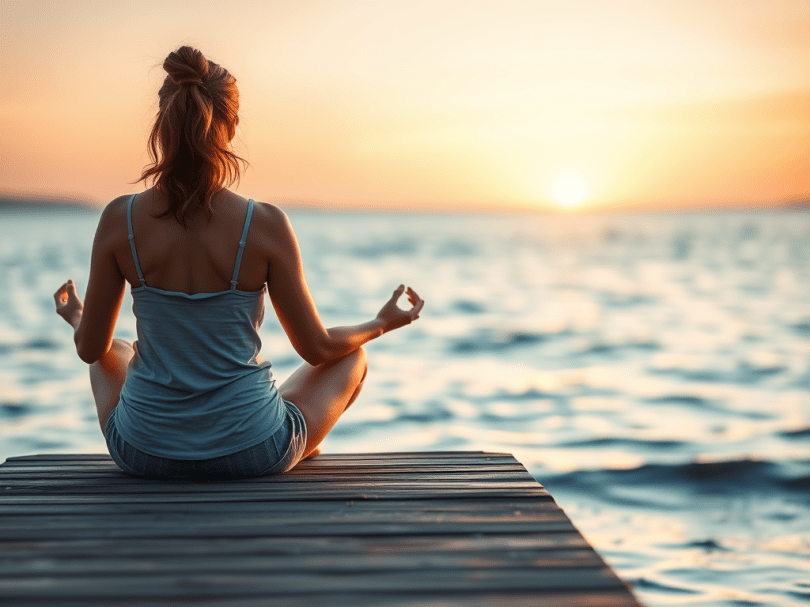
Yoga, deep breathing, and reading are some of many ways to reduce stress and relax. When I’m stressed, the FIRST thing I do is go outside to clear my head. When I lived smack-dab in the city without access to a nature or a proper backyard, I’d head to a public park or green space to do this. I also exercise because it increases my confidence and makes me feel better about myself—like I can take the world head-on.
In conclusion, sometimes it is possible to resolve hormone imbalances on your own by practicing a few healthy behaviors. But if these methods don’t work, you should definitely seek help from your provider or a hormone specialist.
Content on this website is for informational purposes only and does not constitute medical advice. If you are experiencing a medical emergency, please call 911. Always consult your healthcare provider before making any changes to your medical treatment.
 Dreamworld Health
Very interesting it’s good
LikeLike
I’m finding all of these are more and more important as I get older. If I skip yoga for a while or don’t get enough sleep, I become a stressed-out basketcase and that’s not good for anyone. 😦
LikeLike
Yes! Stress is the main source of existing health problems for me. Thankfully, exercise is most effective at helping me manage stress, personally. Does the job every time.
LikeLike