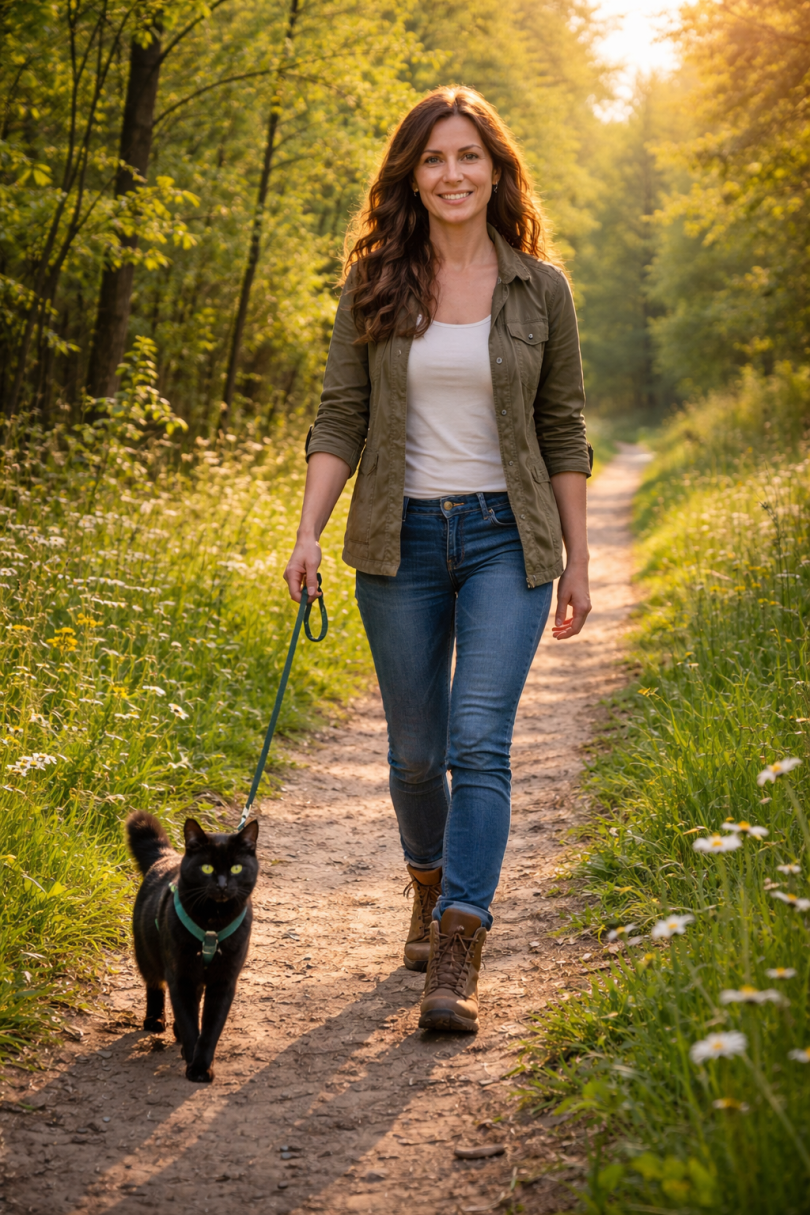
Analog wellness—have you heard about this? It’s a new, growing health trend.
It’s about doing activities that don’t involve smartphones—like going outside, reading physical books, and having conversations with real people, face to face.
In other words, analog wellness is basically life before smartphones. It’s living in 1985 or in 1995. It’s life during any of those years, when times were more…analog.
As someone who was born in 1980 and grew up before smartphones existed, I have two main thoughts about this:
- This isn’t exactly a “trend.” It’s just normal life.
- Apparently, digital use has become extreme to the point ordinary human behavior has to be rebranded and touted as a trend.
So what’s this trend really all about?
What’s Analog Wellness?
Analog wellness is the practice of doing activities that connect you with the real, physical world—without the use of technology or smartphones. It focuses on slow, sensory-rich activities and social connections. You might also so it referred to as “analog experiences,” or “analog activities.”
Examples of things you might do for analog wellness include:
- Going for a walk
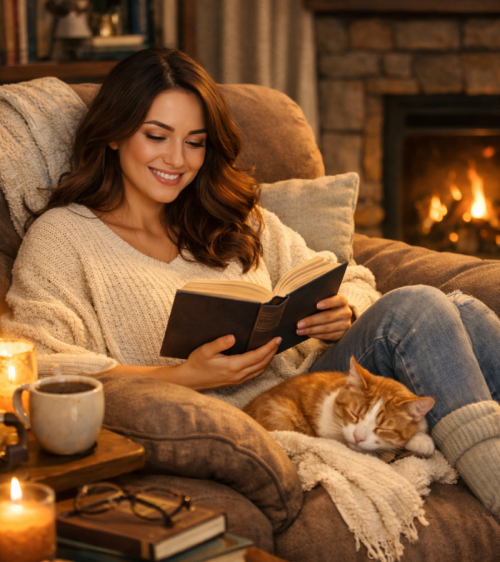
- Reading a physical book
- Gardening
- Journaling
- Cooking from scratch
- Crafting
- Face-to-face conversations
Like I said earlier—it’s just normal, everyday stuff. Stuff that doesn’t require a device.
How Did Normal Life Become a Wellness Trend?
Evidence suggests that Americans spend more than 10 hours a day online. I guess when you spend that much time online every day, normal activities start feeling like a novelty. The key is finding a healthy balance.
Another strange wellness “trend” I’ve noticed in recent years is the concept around self-care. At some point in the last 10 or 15 years or so, ordinary activities somehow became “self-care” rituals.
For instance, GoodRX shares 99 self-care activities that “support your physical and mental health.” It’s a real article, and not a parody. A few of their suggestions:
- Take a shower or bath
- Do a puzzle
- Ride a bike
- Watch the stars
- Paint a picture
- Go for a drive
- Read a book
- Plan a family game night
This is unfathomable to me. It blows my mind that taking a shower, reading a book, and spending quality time with family are considered special self-care rituals. I consider these things part of normal, everyday life.
Why the Brain Needs Analog Activities
Humans are not biologically designed to be immobile and sedentary, looking at screens all day. We’re designed to be physically active.
I think about that all the time when I hear teachers complain about their male students being overly hyper and active. Our male ancestors worked all day, from sunup to sundown, to care for their land and provide for their families, and they did that for centuries. Those hardcoded instincts don’t just suddenly go away with the advent of classrooms and technology.
ALL of our ancestors lived in an analog world, doing analog activities all day. They hunted and gathered food. They worked with their hands. They created families and socialized with other humans, in person. This is how we’re truly wired. It’s in our DNA.
Without a healthy balance, modern technology can overstimulate the nervous system, which isn’t designed to process this type of information constantly. Scrolling through social media feeds, news reels, and the abundance of AI-generated content can certainly overwhelm your brain. There’s plenty of evidence that suggests too much of these non-analog activities can lead to stress, mental fatigue, and problems with focusing.
In comparison, analog activities are far slower. They have the opposite effect, in that they activate the parasympathetic nervous system—which is the part of the nervous system responsible for relaxation, recovery, and healing.
Most analog activities also help you reach a “flow state,” which is when you become completely absorbed in what you’re doing. Evidence suggests that flow states can reduce stress, improve your concentration, and enhance your general well-being.
I bet lots of people do healthy flow-state activities—they just don’t realize it. When I’m not working, my favorite flow-state hobbies are reading, writing, cooking, exercising outdoors, doing diamond painting, and spending quality time with my family.
Nature Is The Ultimate Analog Experience
Nature may be the gold standard when it comes to analog wellness. Sunlight, fresh air, wind, birds, trees, and open space—it’s exactly what your brain thinks of as “home,” because that’s what it was for our ancestors. It’s also why stepping outside for fresh air is the ultimate remedy at times you feel stressed or overwhelmed.
Spending just 20 to 30 minutes outside in green spaces offers many health benefits, including:
- Enhanced focus and concentration
- Better memory
- Reduction in blood pressure
- Better heart health
- Lower risk of dementia
- Reduction in inflammation
- Enhanced immunity
- Better mood
- Less stress
- Reduced mental fatigue
Some refer to spending time outside as “nature therapy,” or “forest bathing.” These are basically just fancy terms for spending time in nature to refresh and heal. Unsurprisingly, research suggests that analog experiences can repair the central nervous system and help you relax.
Final Thoughts
I don’t agree with analog wellness being a new trend. There’s not much to living an analog life. You just leave your phone at home or in the car, and go out and do other stuff.
I once read an article in which a 100-year-old woman was asked to share advice about her longevity. She said something that stuck with me all these years. She said, “Go outside at least once a day. Miracles never happen to people who stay inside.”
By “miracles,” I think she meant “simple joys,” or the type of tiny miracles and pleasures that make you feel great to be alive. If you’re staring at screens all day, you won’t see the beautiful butterfly navigating your garden, or have the opportunity to tell your kids about it later on. You won’t have interesting conversations with strangers in public spaces if you whip out your phone and awkwardly stare at it to avoid feeling awkward in the first place.
I miss life before the digital age. Everything was more real, authentic, and beautiful because of it.
Perhaps analog wellness is a reminder that some of the healthiest things humans can do are just….normal things. Going outside, creating things with our hands, and spending time with others in person are all normal, healthy activities.
What do you think about analog wellness?
 Dreamworld Health